GM GENERAL MOTORS CORVETTE 58-61 Radiator Core Great 58-59-60-61-C1
fits year: 1958–1961.
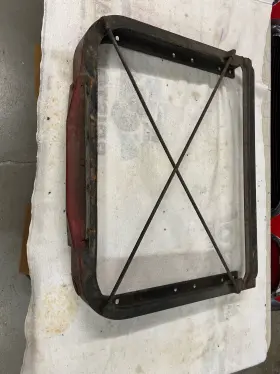
( Brand: Gm General Motors Corvette ), ( Manufacturer Part Number: 58-61 ), ( Mounting Style: Bolt-on ), ( Type: Radiator Support ), ( Ipn: 58 59 60 61 C1 ), ( Material: Steel ), ( Features: Bolt In ), ( Country/region Of Manufacture: United States ), ( Vintage Part: Yes ), ( Placement On Vehicle: Engine Compartment )
Review GM GENERAL MOTORS CORVETTE 59 60 Original Oem Radiator Core Support Great Shape fits C1 1958–1961
The GM (General Motors) Corvette C1, which was in production from 1953 to 1962, is a classic sports car that continues to capture the hearts of automobile enthusiasts. Among its various components, the radiator played a crucial role in keeping the engine cool during operation. Here's a detailed description of the GM C1 Corvette radiators from the years 1958 to 1961.
The radiator in the 1958 Corvette C1 was a part of the car's intricately designed cooling system. Its core was made of brass, a material known for its excellent heat conductivity properties. This radiator featured a traditional crossflow design with multiple fins arranged in a honeycomb pattern. The aluminum tanks at each end of the radiator housed cooling system fluid, while the core itself boasted a generous capacity to ensure ample heat dissipation. An electric fan at the rear of the car assisted in ventilating the radiator when necessary.
Moving on to the 1959 model, the Corvette C1 radiator underwent some revisions. Despite the latter model sharing the same crossflow design and brass core as its predecessor, the tanks were now made of steel instead of aluminum, giving the car an enhanced, more robust appearance. Newer cooling treatment additives were introduced in the radiator fluid to improve cooling efficiency. Furthermore, a mechanical fan replaced the old electric fan at the rear for more effective cooling when driving at high speeds.
In 1960, the Corvette underwent a minor facelift, which included some modifications to the radiator. Although its design remained similar to the previous models with a crossflow brass core, the cooling system started to incorporate plastic cooling tunnels beneath the car to aid in reducing engine heat. The tanks were still made of steel, while a mechanical fan continued to assist in radiator ventilation.
For the final year of the C1 Corvette production, which was in 1961, a significant upgrade to the radiator took place. While it preserved the brass core and crossflow design, the tanks returned to aluminum for lighter weight and better heat conductivity. Additionally, cooling system water flow became increased through the use of a non-limited thermostat. The mechanical fan at the rear remained to ensure adequate cooling during demanding driving conditions.
Through its short lifespan, the GM Corvette C1 underwent multiple improvements to its radiator, aiming for better cooling performance and durability. The 1958-1961 Corvette radiators with their brass cores and crossflow designs were designed and engineered to maintain the correct engine temperatures and provide an exciting driving experience for the classic sports car enthusiasts.
Determining the Pros and Cons of Buying a 1958-1961 Chevrolet Corvette C1 Radiator
1. Pros of buying a 1958-1961 Chevrolet Corvette C1 radiator:a) Authenticity: Original radiators add to the car's value due to their historical significance, especially for collectors and enthusiasts.
b) Performance: Original radiators provide better cooling efficiency and cooling capacity for the classic Corvette engine, ensuring optimal performance.
c) Aesthetics: Vintage radiators with their classic design and appearance enhance the overall look of your Corvette, making it stand out from modern counterparts.
2. Cons of buying a 1958-1961 Chevrolet Corvette C1 radiator:a) High cost: Original radiators can be quite expensive, especially if they are hard to find, rebuilt, or custom-made.
b) Maintenance: These radiators require specific tools, knowledge, and attention to detail for maintenance, which might not be easily accessible to every Corvette owner.
c) Potential Issues: Original radiators can come with problems like leaks, poor condition, or inadequate cooling capabilities, which may necessitate repairs or replacement.
3. Conclusion:While there are advantages to using an original radiator in your 1958-1961 Chevrolet Corvette C1, including enhanced performance and authenticity, the higher costs, difficulties in maintenance, and potential issues may deter some buyers. It's crucial to carefully weigh these factors against your individual situation, budget, and preferences before making the decision.
4. Recommendation:If you are ambitious, knowledgeable, and willing to invest the time and resources, an original radiator is definitely worth considering for your 1958-1961 Corvette C1. However, if you prefer a more affordable and easier solution, a high-quality, rebuilt or aftermarket radiator may be a more suitable option for your restoration project or daily driver. Research your options carefully to make the best decision for your individual needs and circumstances.
Details:
One very nice used radiator core support removed from a 1960 Corvette many years ago, great original condition, some surface rust, not bent up, keep your vintage all with factory parts, verify this is correct for car.
specifications radiatoranch:
- for years: 1958-1961
- brand: Gm General Motors Corvette
- mpn: 58-61
- mounting style: Bolt-on
- type: Radiator Support
- ipn: 58 59 60 61 C1
- material: Steel
- features: Bolt In
- country/region of manufacture: United States
- vintage part: Yes
- placement on vehicle: Engine Compartment
offer radiatoranch:
- best offers: True
- quantity: 1
- sold: 0
- started: November 16, 2024
- options: Ship-to-home
- availability: In Stock
returns radiatoranch:
- policy: No Returns
shipping radiatoranch:
- transit: 4-9 Days
- carrier: USPS
- class: Standard
- cost: $72.90
- type: Calculated
- service: USPS Ground Advantage
payments radiatoranch:
- wallet: Apple-pay
- other
- credit card: Discover
seller radiatoranch:
- city: Wonder Lake, Illinois
- rating: 99.5%
- # reviews: 1839
general radiatoranch:
- condition: Used
- Car Truck Parts Accessories > Engine Cooling Components > Radiators
Gm General Motors Corvette 58-61 Is Similar To:
- Gm 675.gm8l24 85607642 Radiator From 2024 Chevrolet Equinox 1.5l At (31.5% similar) Labor and costs associated with part installation are not covered under warranty...(May 21st, 2024)
- General Motors 85156794 Gm Shutter Actuator Part Fits Radiator 87830733 (34.9% similar) It features easy installation with no drilling or modifications needed. It is a perfect fit for your vehicles radiator and manufactured in Austria. With its black color and no vintage or performance part features, this shutter actuator is a must-have for anyone looking to ensure their radiator...(May 29th, 2024)
- Gm 84359944 13-19 Cadillac Ats Front Radiator Support Headlight Panel Bar Oem (43.4% similar) Buyer pays for all return shipping costs...(May 30th, 2024)
- Gm Oem 15915521 Nos Lh Front Radiator Air Baffle 2007-2014 Chevrolet Silverado (28.4% similar) Gm oem 15915521 LHS front radiator air baffle 2007 -2014 Chevrolet Silverado...(May 31st, 2024)
- Gm 22581511 1995-2005 Chevy Cavalier Pontiac Sunfire Lower Radiator Mount Oem (34.3% similar) Removed from a 2001 Chevy cavalier 2-DOOR coupe. Inspect pictures for condition...(May 31st, 2024)
- General Motors 15992836 1994-1997 Chevy Blazer Upper Air Deflector P n Genuine Oem Used Gm Part (39.4% similar) Pulled from the pictured 97 blazer...(June 1st, 2024)
- Chevrolet 10440760 2000 Chevy Monte Carlo Air Baffle P n Genuine Oem Gm Part (16.1% similar) Pulled from the pictured flooded Monte Carlo. Part number 10440760...(June 1st, 2024)
- General Motors 84378163 Oem Gm 2017-2020 Gmc Chevrolet Cadillac Front Radiator Shutter With Motor (36.9% similar) Oem Gm 2017 -2020 GMC Chevrolet Cadillac front radiator shutter w/ motor in good working condition...(June 5th, 2024)
- General Motors 15744931 07-13 Chevy Silverado Radiator Support Brace Genuine Oem Gm Sierra (47.9% similar) Gm oem part number 15744931. Pulled from a new body 2007 Chevy Silverado 1500...(June 7th, 2024)
- Gm 84276366 2019-2021 Gmc Sierra 1500 Radiator And Cooling Fan Oem Complete (33.5% similar) Please verify with the part nos. 2019 -2021 GMC sierra 1500 radiator cooling fan oem 84276366 complete, part no. Before purchase...(June 8th, 2024)
- Gm 95439803 11 12 13 14 Chevrolet Cruze Lt Ltz Front Bumper Active Grille Shutter Oem (21.9% similar) Item condition: this item is used: no defects. Best market price. Caring product packaging. Free and first-day shipping...(June 9th, 2024)
